
Is Vaping Safer Than Smoking Cigarettes?
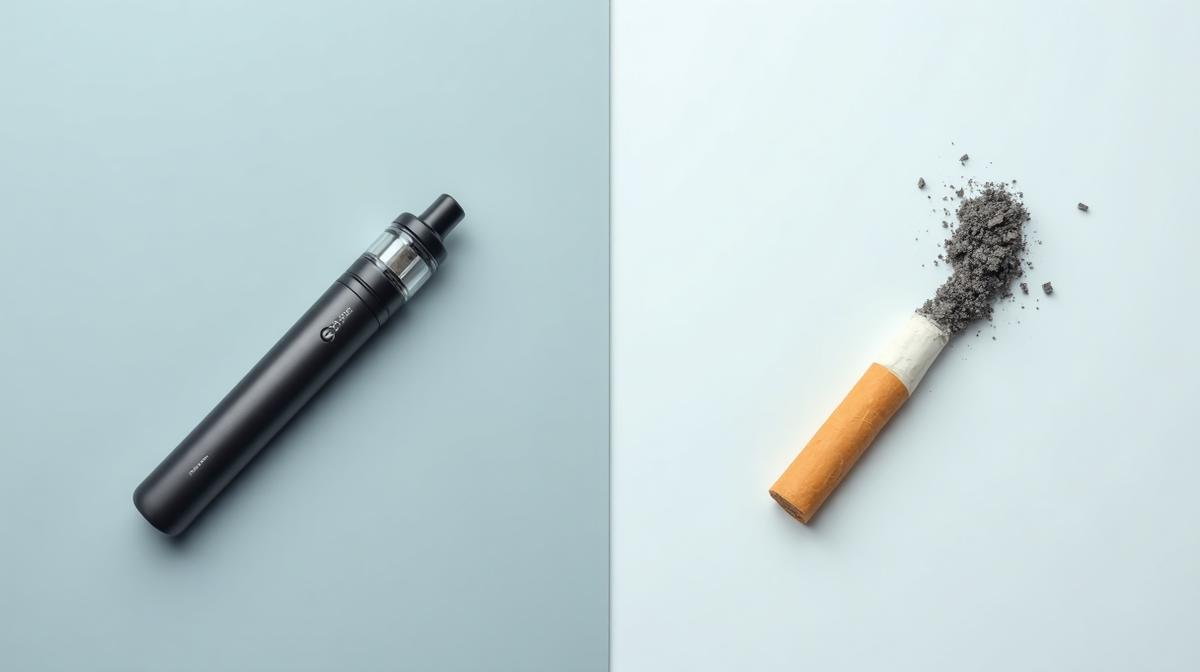
Vaping is widely considered less harmful than smoking cigarettes because it does not involve combustion or tar, which are the primary sources of smoking-related toxins. This article explains why cigarettes are harmful, how vaping differs, and what current evidence suggests about relative risks for adult smokers.
This content is intended for adults aged 21 and older who currently smoke or use nicotine products. Vaping is not risk-free and is not intended for non-smokers.
Why Are Cigarettes Harmful?
Cigarette smoke is produced through combustion, the process of burning tobacco at temperatures exceeding 600 degrees Celsius. This burning process creates thousands of chemical compounds, many of which are toxic or carcinogenic.
Cigarette smoke contains over 7,000 chemicals. At least 70 of these chemicals are known to cause cancer in humans. The primary harmful components include tar, carbon monoxide, formaldehyde, benzene, and heavy metals.
Tar is a sticky residue that accumulates in the lungs and airways. It contains most of the cancer-causing substances found in cigarettes. Carbon monoxide reduces the oxygen-carrying capacity of blood, placing strain on the heart and circulatory system.
The harm from cigarettes comes primarily from the combustion process, not from nicotine itself. Nicotine is addictive, but it is not the primary cause of smoking-related diseases. The toxins produced by burning tobacco are responsible for the majority of health risks.
How Is Vaping Different From Smoking?
Vaping heats e-liquid to create vapor rather than burning tobacco to create smoke. This fundamental difference in mechanism affects the chemical composition of what users inhale.
E-cigarettes and vape devices heat liquid containing nicotine, propylene glycol, vegetable glycerin, and flavorings. The heating occurs at much lower temperatures than combustion, typically between 100 and 250 degrees Celsius.
Because there is no combustion, vaping does not produce tar. The sticky, carcinogenic residue found in cigarette smoke is absent from vapor. Vaping also does not produce carbon monoxide, the gas that reduces blood oxygen levels in smokers.
E-liquid vapor contains significantly fewer chemicals than cigarette smoke. While not harmless, the chemical profile of vapor is simpler and lacks many of the toxic compounds created by burning tobacco.
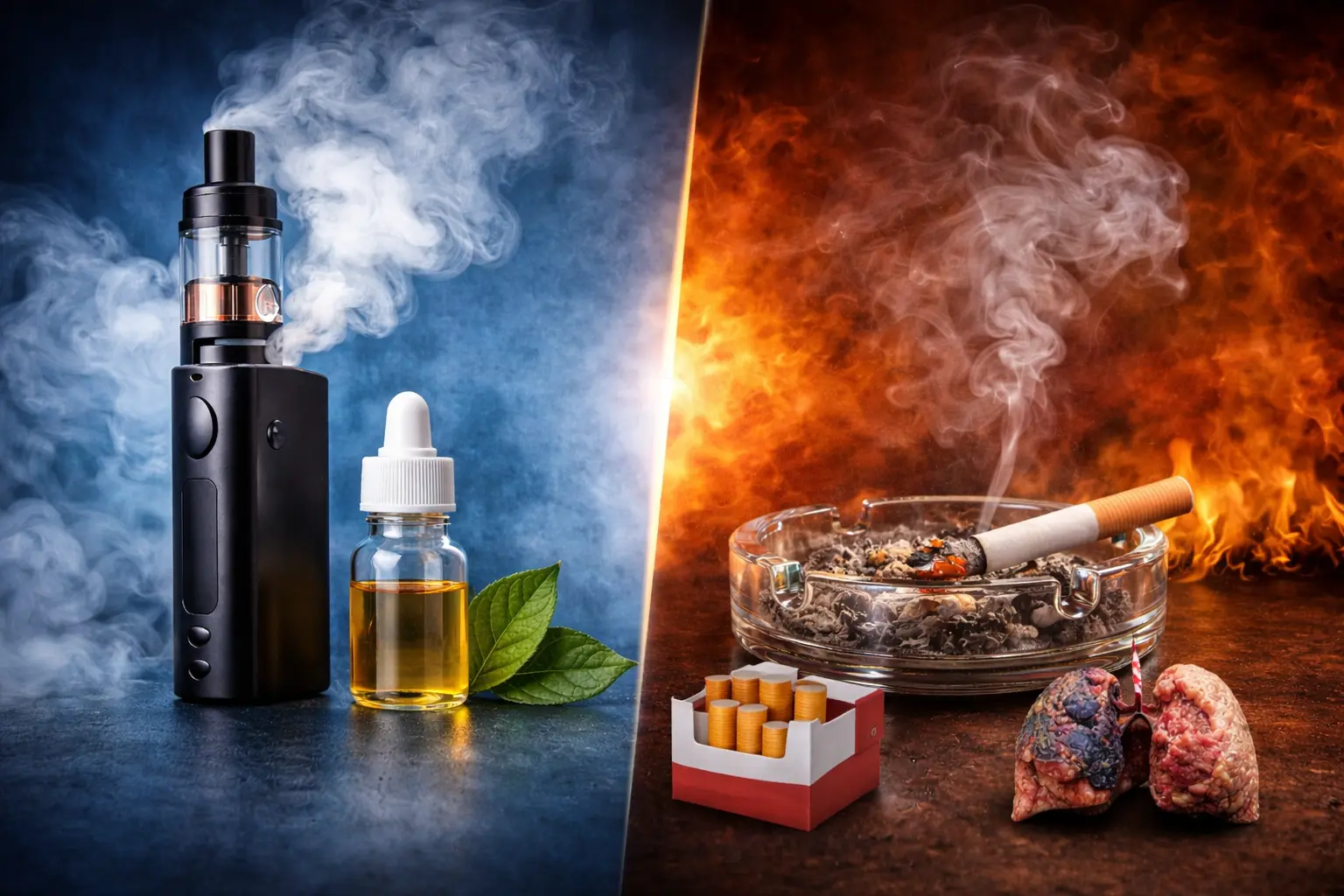
Vaping allows users to control their nicotine intake. E-liquids are available in various nicotine strengths, from high concentrations similar to cigarettes down to zero nicotine options.
Is Vaping Completely Safe?
Vaping is not risk-free. No nicotine product should be considered completely safe. E-cigarettes and vape devices are intended for adult smokers as an alternative to combustible tobacco.
The long-term health effects of vaping are not yet fully understood. Vaping technology has only been widely available since the mid-2000s, which limits the data available for long-term studies.
Current evidence suggests that vaping exposes users to fewer harmful chemicals than smoking. This does not mean vaping is safe in absolute terms. It means the risk profile appears to be different from and likely lower than combustible cigarettes.
Risk comparison is not the same as a safety claim. Stating that vaping is less harmful than smoking does not mean vaping has no risks. It means the available evidence indicates reduced exposure to known toxicants.
Non-smokers should not start vaping. Vaping products contain nicotine, which is addictive. The best option for non-smokers is to avoid all nicotine products entirely.
What Do Health Organizations Say About Vaping vs Smoking?
Multiple public health organizations have examined the relative risks of vaping compared to smoking. Their conclusions generally support the harm reduction potential of vaping for adult smokers.
The consensus among harm reduction researchers is that switching from smoking to vaping reduces exposure to toxic chemicals. This position is based on chemical analysis of cigarette smoke versus e-cigarette vapor.
Public health perspectives vary by country and organization. Some take a more cautious approach, emphasizing that vaping is not without risk. Others actively promote vaping as a harm reduction tool for smokers who cannot or will not quit nicotine.
The key points of agreement across organizations include: vaping produces fewer harmful chemicals than smoking, vaping is not appropriate for non-smokers, and more research is needed on long-term effects.
Why Many Smokers Switch to Vaping Instead of Quitting Nicotine
Many adult smokers find it difficult to quit nicotine entirely. Vaping offers a way to continue using nicotine while avoiding the combustion process that causes most smoking-related harm.
Smoking involves behavioral habits beyond nicotine addiction. The hand-to-mouth motion, throat sensation, and ritual of smoking are deeply ingrained for long-term smokers. Vaping replicates many of these behavioral elements.
Vaping provides controlled nicotine delivery without combustion byproducts. Smokers can maintain their nicotine intake while eliminating exposure to tar, carbon monoxide, and other combustion-created toxins.
Some smokers use vaping as a step-down approach. They start with higher nicotine concentrations and gradually reduce over time. This approach allows for behavioral adjustment alongside nicotine reduction.
The sensory experience of vaping is similar to smoking. The inhale, exhale, visible vapor, and throat hit provide familiar sensations that patches, gums, and other nicotine replacement methods do not replicate.
For those considering the switch, exploring vape options designed for adult smokers can help identify the right starting point.
Is Vaping a Better Option for Adult Smokers?
For current smokers who cannot or will not quit nicotine, switching to vaping may reduce exposure to harmful chemicals. This is the core principle of tobacco harm reduction.
The harm reduction approach recognizes that some people will continue using nicotine regardless of health messaging. For these individuals, using a less harmful nicotine delivery system is preferable to continued smoking.
Vaping is not recommended for non-smokers. People who do not currently use nicotine products should not start vaping. The appropriate comparison is between vaping and smoking, not between vaping and using nothing.
Adult smokers considering the switch should choose quality products from reputable sources. Authentic devices from established brands like Lost Mary use quality materials and provide consistent nicotine delivery. Learn where to buy authentic vapes online.
The decision to switch from smoking to vaping is personal. Smokers should consider their own circumstances, consult healthcare providers if appropriate, and make informed choices based on available evidence.
Frequently Asked Questions
Is vaping safer than smoking long term?
Current evidence suggests vaping exposes users to fewer harmful chemicals than smoking. Long-term data is limited because vaping is a relatively new technology. Based on chemical analysis, the toxicant exposure from vaping appears to be significantly lower than from combustible cigarettes.
Does vaping contain nicotine?
Most vaping products contain nicotine, though the concentration varies. E-liquids are available in different nicotine strengths, ranging from high concentrations to zero nicotine options. Nicotine is addictive and is not appropriate for non-smokers.
Can non-smokers vape safely?
Non-smokers should not start vaping. Vaping products are intended for adult smokers as an alternative to combustible tobacco. Non-smokers who begin vaping expose themselves to nicotine addiction and potential health risks without any comparative benefit.
What is harm reduction in the context of vaping?
Harm reduction is a public health approach that focuses on reducing negative consequences for people who continue risky behaviors. In vaping, harm reduction means providing adult smokers with a less harmful way to consume nicotine rather than demanding they quit entirely.
WARNING: This product contains nicotine. Nicotine is an addictive chemical. Must be 21+ to purchase. This content is for informational purposes only and is not medical advice. Consult a healthcare professional for personalized guidance.
Ready to order? Every device ships from the United States.
Shop Lost Mary vapes onlineGet our guides highlighted in your Google results
Tags
Continue Reading
More articles you might enjoy
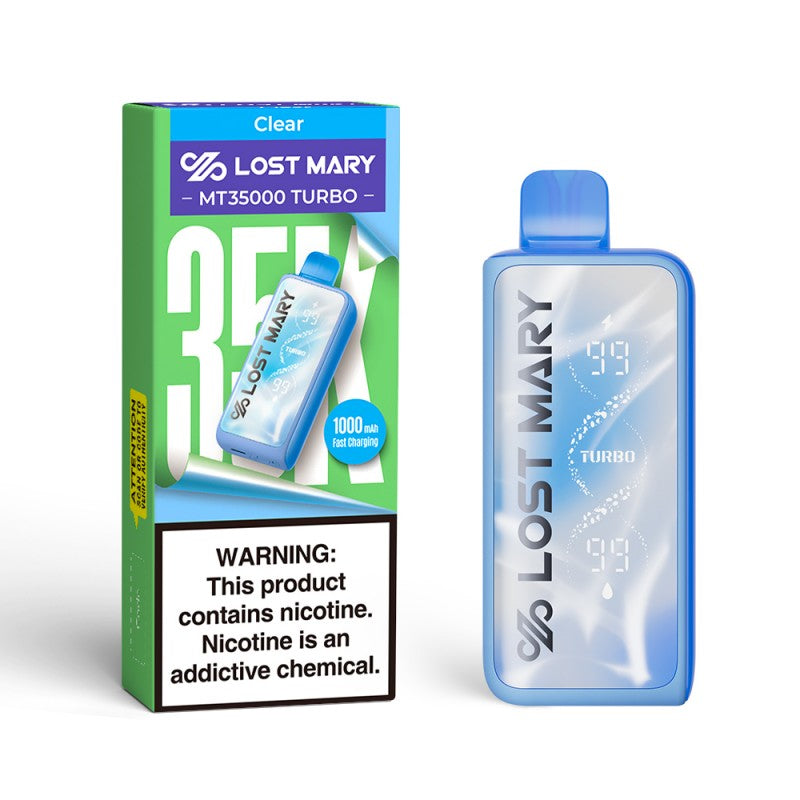
Understanding Nicotine Strengths: A Complete Guide
Not sure what nicotine strength is right for you? This guide explains everything you need to know about nicotine levels, helping you make an informed choice for your vaping journey.
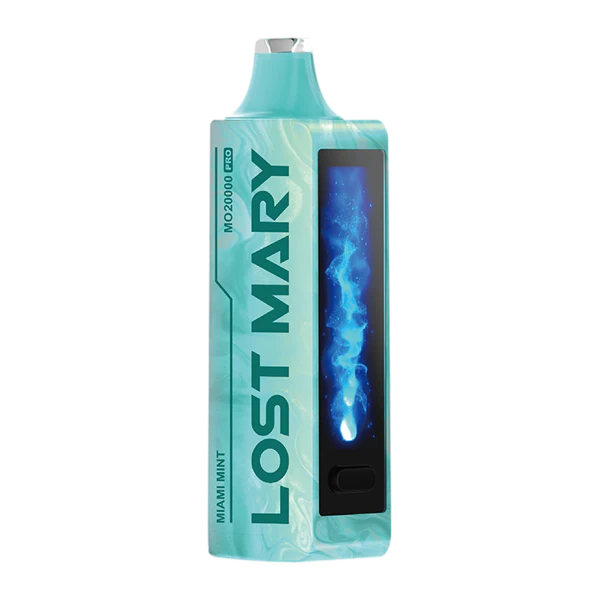
How to Choose Your First Vape: Complete Beginner's Guide
New to vaping? This comprehensive guide walks you through everything you need to know to choose your first device, from understanding puff counts to selecting the perfect flavor.

Where to Buy Lost Mary Vapes Online (Prices, Models & Best Deals 2026)
Your complete 2026 guide to buying authentic Lost Mary vapes online. Compare prices for MT15000, MO20000, MT35000, Off Stamp, and Nera 70K with verified U.S. retailers.